
Africa’s biggest gap isn’t ideas, it’s execution. SIPMC trains Program Architects who can turn social vision into measurable public value.
“Building the Next Generation of Africa’s Social Impact Program Leaders”
Africa does not primarily suffer from a shortage of ideas — it suffers from an execution gap. Social Impact Program Management Certification (SIPMC) exists to professionalize program management across the continent, developing Program Architects who convert social vision into measurable public value.
At Ideation Hub Africa, we believe program management is one of the most strategic professions within the social sector. Every meaningful intervention; whether in education, healthcare, agriculture, governance, climate, women’s empowerment, youth development, or economic inclusion; ultimately becomes a program.
Great organizations are built on great programs and built by competent program managers.
The Social Impact Program Management Certification (SIPMC) exists to professionalize this discipline across Africa by developing world-class practitioners who can design, implement, measure, scale, fund, and sustain transformational programs.
Rather than merely teaching project management tools, SIPMC develops Program Architects, who are professionals capable of converting social vision into measurable public value.
To establish Africa’s leading professional certification for nonprofit and social impact program management, producing a new generation of highly competent practitioners capable of delivering transformational, evidence-based, scalable social impact across the continent.
Project managers deliver outputs, but Program leaders create public value.
A Program Leader understands communities before interventions, designs with evidence rather than assumptions, mobilizes partnerships around a shared vision, executes with excellence under resource constraints, learns continuously from data and feedback, and builds systems that sustain impact long after the original funding ends.







The Social Impact Program Management Certification (SIPMC) is built on five integrated competency capitals — an evidence-based competency model that defines what an exceptional nonprofit program manager can actually do. Level 1 builds your foundation across all five.
Seeing the right problems, before a single program is designed.
Designing interventions that work, intentionally.
Delivering with excellence — execution determines whether design becomes impactful.
Learning from data — what separates average organizations from excellent ones.
Growing programs through grants and beyond — built to survive past initial funding.
A — Are we solving the right problem?
F — Have we designed the right solution?
R — Can we consistently deliver?
I — Can we prove that change happened?
CA — Will this program still exist five years from now?
Three weeks. Highly intensive. One real program, built from scratch. Participants learn the complete lifecycle of Nonprofit & Social Impact Management and leave with practical tools, templates, and one completed program design — not a theoretical exercise.
“Think Like a Program Architect” — the mindset for Week One is diagnostic and design-focused, not execution yet. Participants learn to see problems clearly and design solutions properly before ever touching implementation.
Competency Capital 1 · Assessment & Systems Thinking
Competency Capital 2 · Program Architecture
Week Two shifts from designing programs to actually running them — and proving they work. It covers two competency capitals:
Competency Capital 3 · Execution Leadership
Competency Capital 4 · Impact Intelligence (Proving the program works)
Week Three shifts from running programs to making sure they survive and grow beyond their initial funding. It covers one competency capital plus a final capstone:
Competency Capital 5 · Sustain Like a Social Impact Institution
Competency Capital 6 · Capital Mobilization & Sustainability (Funding the program’s future)
Participants present a fully developed nonprofit / social impact program — and defend it before an expert review panel.
Concepts, frameworks, and real case studies delivered live.
Hands-on exercises using practical templates.
Building the participant’s own capstone program.
Scheduled coaching, feedback, and Q&A throughout.
Every module asks: “What does this look like in Africa?” This is what distinguishes the Social Impact Program Management Certification (SIPMC) from international certifications built elsewhere and translated here. Case studies, examples, and practicums are drawn directly from the continent’s own realities.
 Kenya
Kenya Nigeria
 Rwanda
 Ghana
Ghana South Africa
 Ethiopia
 Uganda
 Senegal
 Morocco
 Egypt
EgyptDeliverables will include:

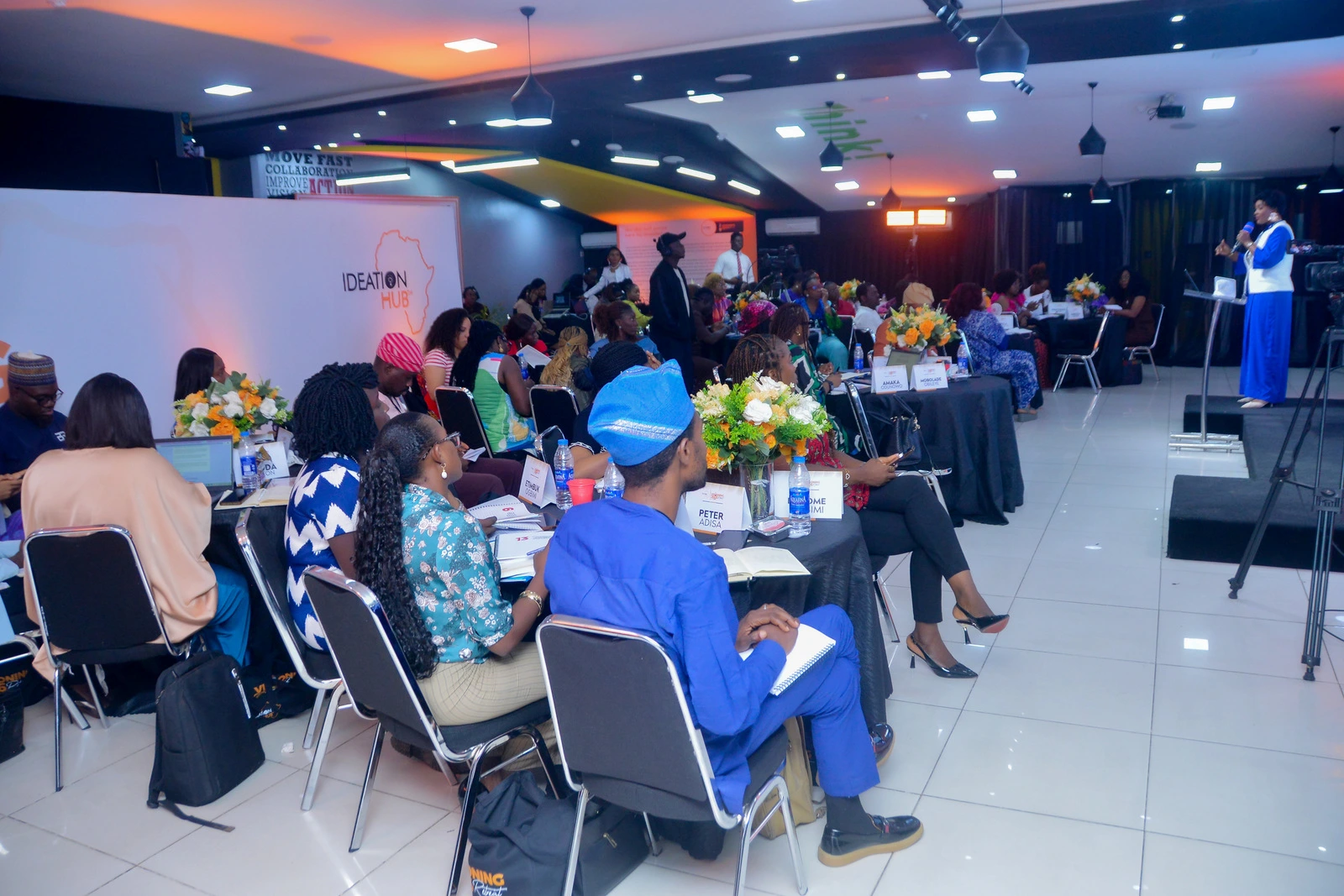
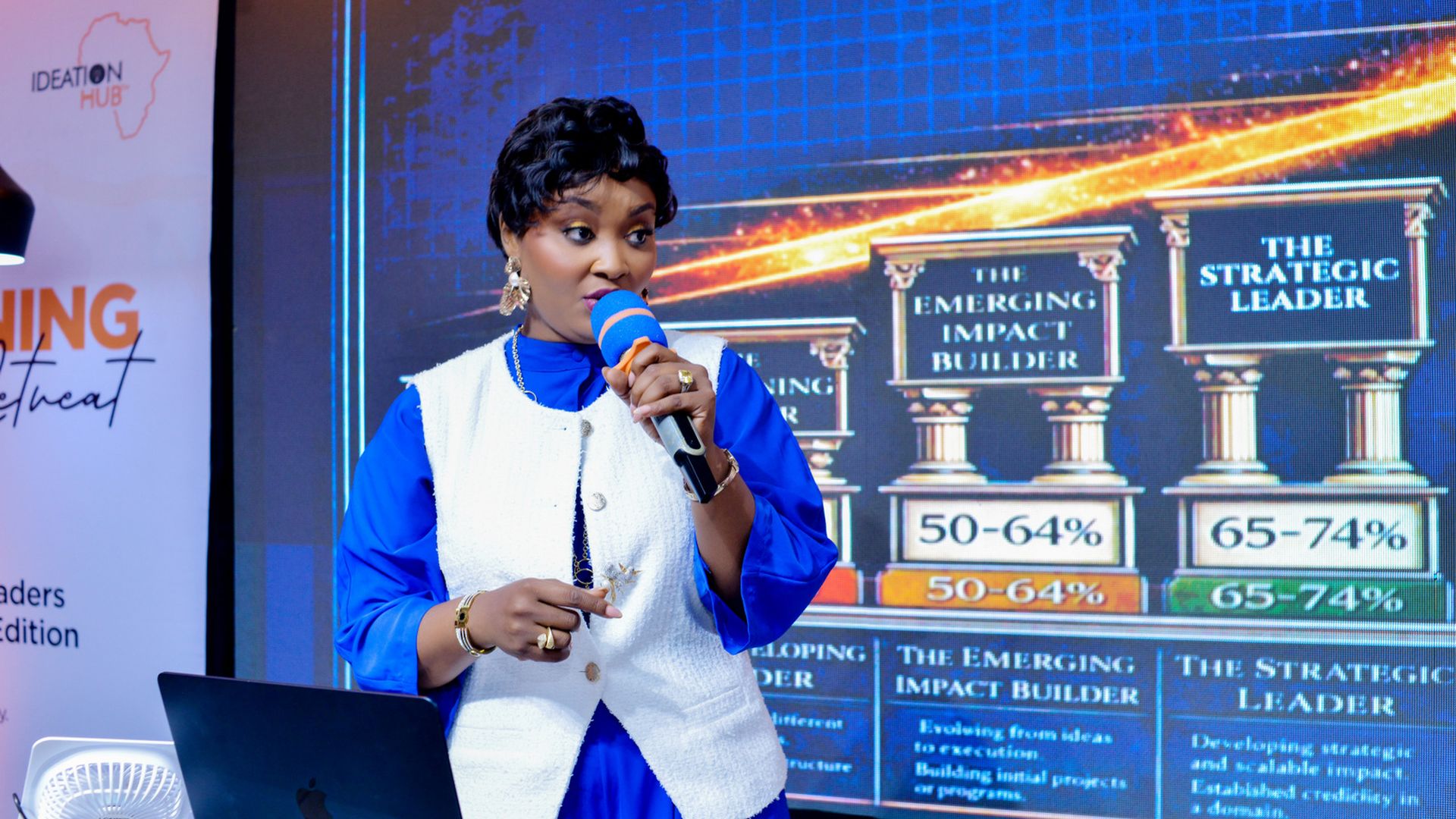

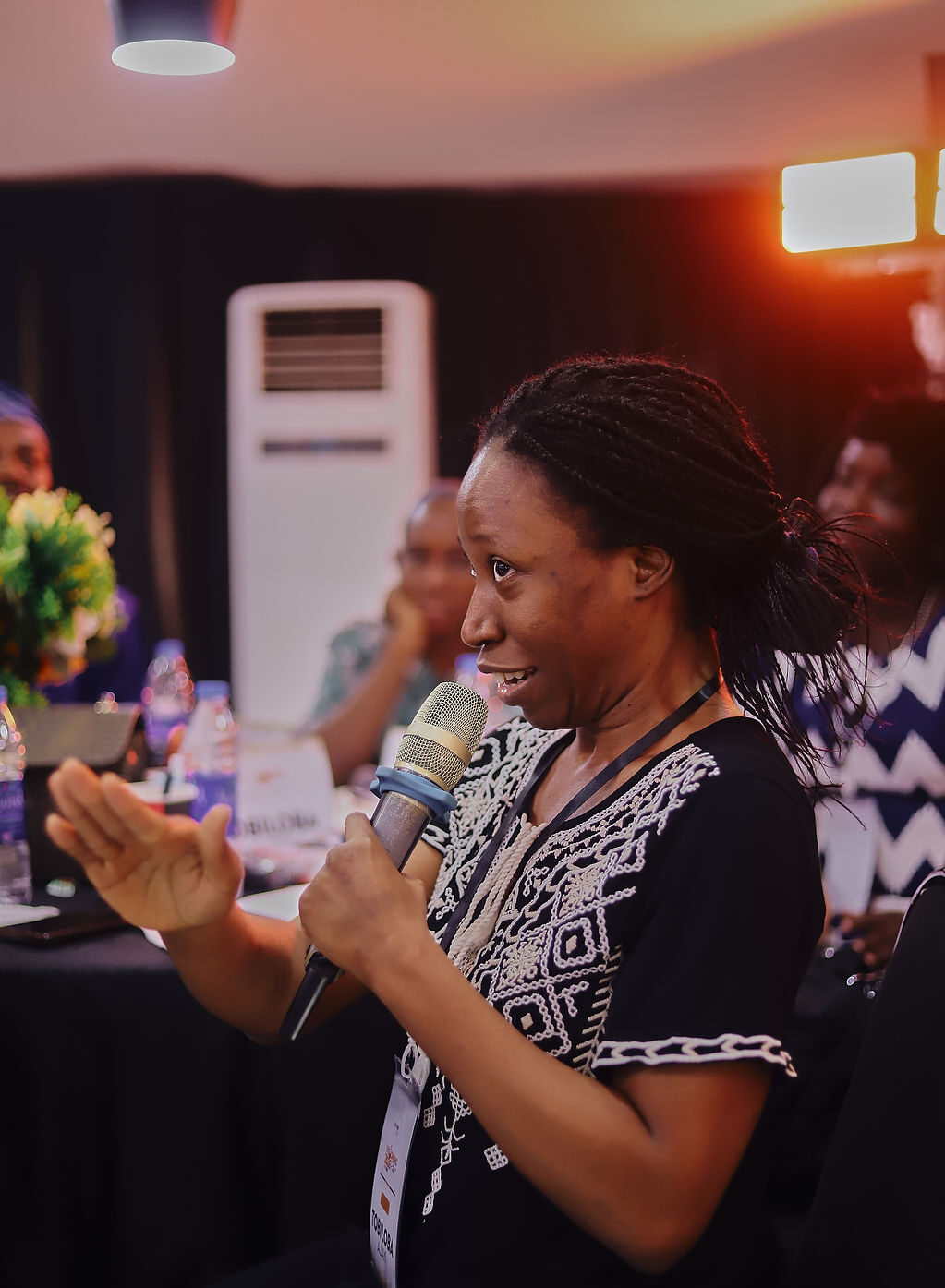



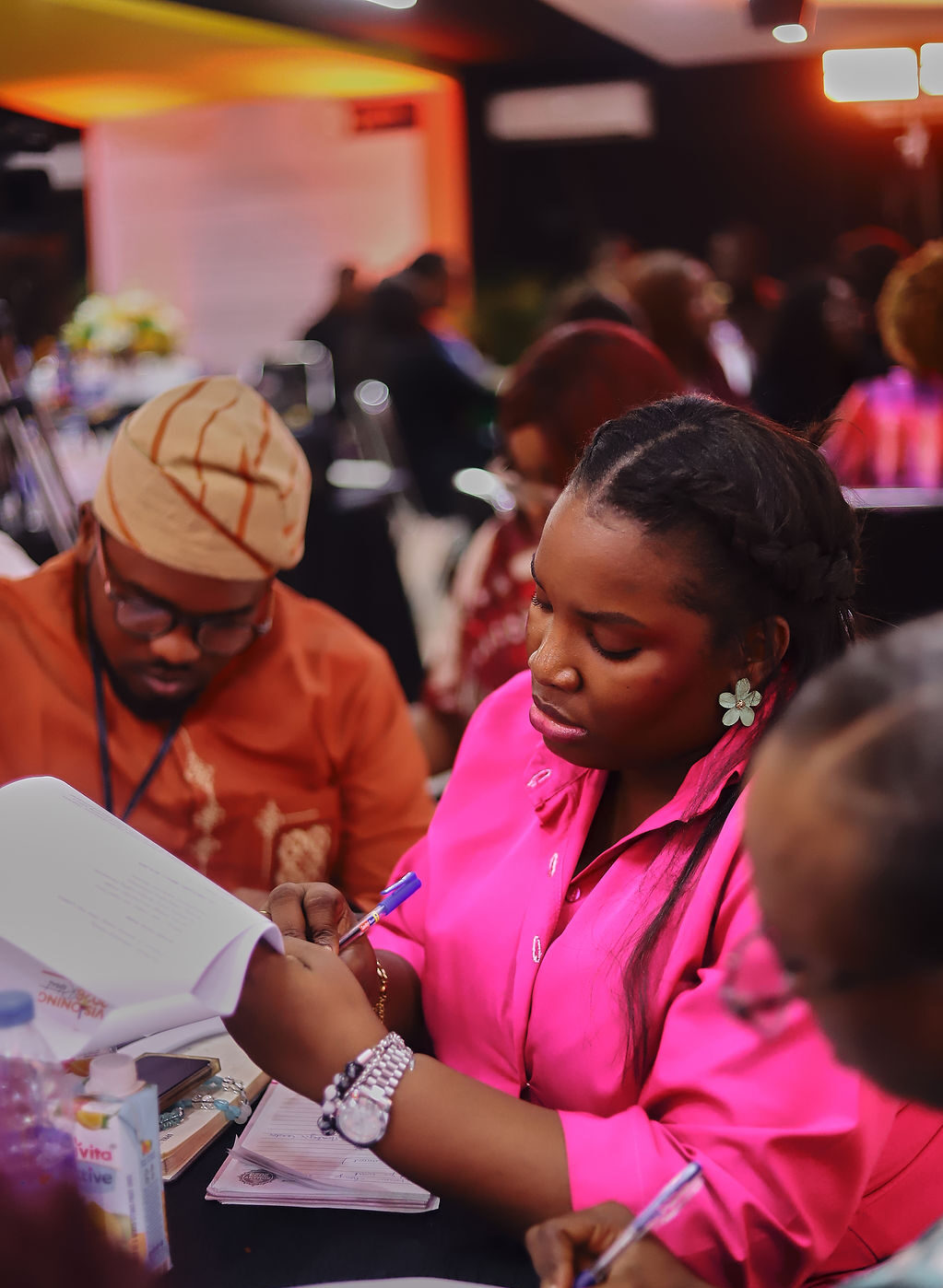
SIPMC ends with two things in your hands: a set of demonstrated competencies, and the working templates you built them on.
Attending the IHA program was truly a transformative experience. From the moment the program began, it was clear that this was not just another planning session, it was a powerful space for reflection, clarity, and intentional growth.
What stood out the most was how thoughtfully the retreat was structured, combining mindset work, meaningful conversations, faith-based reflection, and practical planning. It wasn't just inspiring; it was empowering. I walked away with a renewed sense of purpose, a clearer vision for my life and work, and actionable strategies to move forward with confidence.
The training was timely. It gave me the opportunity to pause and reflect on my personal and professional journey. The 12 Part Life Compass Assessment gave me a holistic view of my life, which in turn gave me the clarity on what to prioritise this season. Being able to take an aerial view of the development space during Femi Taiwo's session and understand how my work fits within the ecosystem was another lightbulb moment for me.
Perhaps most impactful was the challenge to be more intentional with my branding and visibility. I understood its necessity in creating real impact because earth abhors vacuum and if I fail to tell my story, the wrong narrative will continue to gain ground.
In all, it was a worthwhile experience and I've begun taking action based on the things I learned. Looking forward to sharing how the application amplifies the impact CHILD Initiative seeks to create.
The IHA program was a transformative experience that challenged me to reimagine the future with clarity, courage, and collaboration. It was more than a gathering; it was a catalyst for shifting perspectives and aligning our collective energy toward systemic impact.
What stood out most was the intentional space created for deep reflection and bold dialogue. We moved beyond incremental thinking to embrace a holistic ecosystem view. The program reminded us that vision is not just about foresight, it is about responsibility, shared ownership, and the willingness to act with purpose, to act as Social Saviors.
I left the program inspired, grounded, and committed to carrying forward the momentum. The IHA program was not just a milestone; it is a movement that will continue to shape how we build resilient communities and meaningful change together.
I have been in several rooms, and they have impacted my life. Speaking of this IHA program, it is one of the most eye-opening and best events I have ever attended regarding the NGO and policy-making space in my life.
I was in awe of the level of information articulated and the emphasis on ensuring that we understand the importance of clarity in everything we do; whether it's achieving goals, proposing grants, or seeking partnerships.
She has been able to simplify the importance of partnership and emphasized the fact that you need to know exactly what those you want to help actually need. I am truly grateful for this opportunity. I am certain that the amount paid was far less than the value I received.
I was able to build relevant networks and make the most of developing myself through group plans with other individuals. Thank you for this opportunity; I will always be grateful for it.
I just assumed the role of the Executive Director in my organisation and I knew I have so many navigations to do, however, there are so many things to read and learn and I don't know where to start from.
Being at the IHA program answered my questions, helped me gain clarity on what to focus on, the structure to build and the short/long-term vision to have for the organisation. I understand the structure to put in place and the competence I need to build to take our organisation to the next level. I am so grateful for this investment because beyond my role, it helped me see myself as a person and who I am becoming.
My Journey Since Connecting with Ideation Hub Africa's programs marked a defining turning point for me and for Planting Co.
Before attending the programs, I knew I carried a burden for environmental restoration, but I did not yet have the language, structure or strategic understanding to build the kind of organisation I believed God was calling me to lead.
It was through the IHA Program that I discovered the concept of a social enterprise. That single discovery gave me clarity that Planting Co. was not simply a plant business—it was a vehicle for solving environmental problems while creating sustainable economic value.
One of the commitments I made before leaving the retreat was simple: I would begin raising tree seedlings.
That decision became the foundation for an entirely new season.
Within that year, Planting Co. launched its first structured tree-planting season, planted over 200 trees, and successfully secured its first grant.
Returning for another IHA Program deepened that transformation.
The teachings on positioning, fundraising, systems thinking and designing for behaviour change fundamentally reshaped how I approached our work. Rather than asking, "How do we sell more plants?" I began asking, "How do we help people become the kind of people who naturally care for nature?"
That shift led directly to the creation of Ink & Ivy, our botanical art experience that uses creativity, storytelling and nature immersion to cultivate environmental consciousness and stewardship.
This year has also been our most significant year of growth.
Planting Co. has delivered environmental projects and botanical experiences with organisations including the Gates Foundation, the Development Bank of Nigeria, Nigeria Sovereign Investment Authority, Policy Innovation Centre, Credicorp and Regal Impex.
We have planted over 500 trees this year, developed environmental restoration programmes, strengthened our environmental education initiatives and begun positioning Planting Co. as an organisation with a continental vision for environmental restoration.
Looking back, I can confidently say that IHA Programs did more than inspire me—it transformed the way I think.
It equipped me to move from simply executing ideas to building systems, partnerships and programmes that can create lasting environmental and societal impact.
I remain deeply grateful to my leader and Coach Debola Deji-Kurunmi and the Ideation Hub Africa Team for creating spaces where purpose is refined into strategy and vision is translated into measurable action.
Leave your details — we’ll reach out personally as soon as enrollment for your selected level opens. Register using the “interest form” by joining the waitlist and our team will reach out directly the moment enrollment opens.
Level 1 is the current focus. Levels 2 and 3 — Advanced Program Leadership and Executive Portfolio Management — open later. Join a waitlist and we’ll reach out the moment enrollment opens.
The Social Impact Program Management Certification (SIPMC) is Ideation Hub Africa's global certification built to close what may be Africa's biggest gap in the social sector, not a shortage of ideas, but a shortage of execution. It trains Program Architects and Program Leaders who can turn social vision into measurable public value.
Level 1 is built for the people running Africa's social sector day to day: program and project officers, NGO and foundation staff, government program managers, development consultants, CSR managers, M&E officers, social enterprise leaders, faith-based organisation leaders, and emerging social entrepreneurs.
As practitioners grow, SIPMC grows with them. Level 2 is for those ready to move beyond managing single programs into leading complex, multi-partner initiatives, large donor compliance, and cross-country implementation. Level 3 is built for senior leadership, including Country Directors, CEOs, Heads of Programs, Foundation Leaders, and Government Program Directors, overseeing entire portfolios of impact rather than individual programs.
SIPMC is built for Africa, not adapted for it. Every case study and example is drawn directly from African realities, across countries including Kenya, Nigeria, Rwanda, Ghana, South Africa, Ethiopia, Uganda, Senegal, Morocco, Egypt, and other African countries.
It's the five competency capitals SIPMC is built on: Assessment and Systems Thinking, Framework Design and Program Architecture, Results Execution and Operational Leadership, Impact Intelligence, and Capital Acquisition, Mobilization and Sustainability. Together they answer five core questions, from "are we solving the right problem" to "will this program still exist five years from now."
Level 1 runs three intensive weeks. Each week combines a 90 minute live expert session, a 60 minute hands on application lab, independent capstone project work, and scheduled faculty office hours for coaching and feedback.
Level 2, the Advanced Program Leadership Certification, builds on Level 1 by focusing on complex multi-partner programs, grant management, large donor compliance, program scaling, adaptive leadership, cross-country implementation, and digital systems. It is not yet open for enrollment. You can join the waitlist through the Level 2 interest form on the SIPMC website, and the team will reach out personally as soon as enrollment opens.
Level 3, the Executive Certification in Social Impact Portfolio Management, is built for senior leaders overseeing entire portfolios rather than single programs, including Country Directors, CEOs, Heads of Programs, Foundation Leaders, and Government Program Directors. It is also not yet open for enrollment. You can join the waitlist through the Level 3 interest form on the SIPMC website, and the team will reach out personally once enrollment opens.
Two things: demonstrated capability across 11 core competencies (from designing evidence-based programs to building sustainable ones) and a complete Program Management Toolkit of practical templates, including needs assessment and stakeholder mapping tools.
No, it's a real, complete program design, not a classroom exercise. Participants build a full program including a community diagnosis, budget, implementation plan, MEL framework, risk plan, partnership strategy, and funding proposal, then present and defend it before an expert review panel.
You can register directly through the link on the SIPMC website, or reach out with questions via info@socialimpactmanagement.org for general enquiries or programs@socialimpactmanagement.org for program specific questions.
No, payments for SIPMC are non-refundable. However, since SIPMC is run as a hybrid program, you retain access to the program's resources for one full year, so you're not shut out if you miss a live session, you can still catch up and complete the certification at your own pace within that window.
Yes, absolutely. While SIPMC is built around African case studies and realities, the frameworks, systems, and program management principles it teaches are not limited by geography. Solutions and impact strategies that work in one context can be studied, adapted, and replicated across nations and continents, so the value of thinking like a Program Architect travels with you, wherever you're building impact.
Yes. Upon successful completion, including the capstone project and its defense before the expert review panel, you graduate with the Nonprofit and Social Impact Management Professional Certification (NSMPC), Level 1 of SIPMC. This certifies your demonstrated capability across the 11 core competencies the program builds, alongside the complete Program Management Toolkit you leave with.
Applications open now. Level 1 — Nonprofit & Social Impact Management Professional Certification (Foundation) — Join this Cohort!